
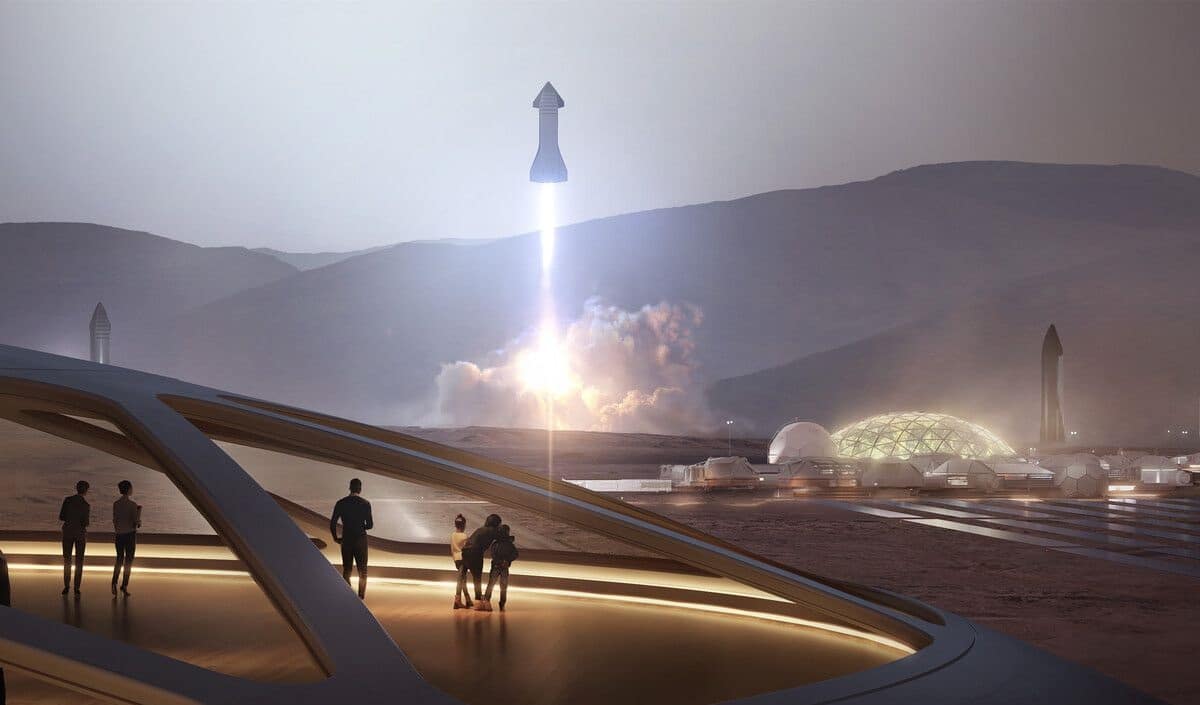
Imagine a thriving city on Mars, bustling with life and innovation—a concept that seems ripped straight from the pages of a science fiction novel. Yet, this is the goal Elon Musk is steadfastly working towards. Musk, the visionary behind SpaceX, has laid out an ambitious plan to launch 1,000 rockets over the next 20 years in order to establish a sustainable human presence on the Red Planet. This initiative is not just about reaching Mars; it’s about creating a future where humanity can thrive beyond Earth.
Amazon co-founder MacKenzie Scott has donated over $19 billion to charity in just five years
Diamond batteries powered by nuclear waste promise 28,000 years of clean energy
Musk’s Vision for Mars Colonization
Elon Musk’s fascination with Mars has been a driving force in his career, long before the founding of SpaceX in 2002. With the funds he garnered from selling PayPal, Musk pivoted towards his dream of making interplanetary life a reality. In recent years, SpaceX’s Starbase facility unveiled a striking “Gateway to Mars” sign, symbolizing the company’s dedication to this goal. Musk isn’t just aiming to visit Mars—he’s focused on colonizing it, with the ultimate plan to send 100,000 people every two years to establish a permanent human presence on the planet.
I recall attending a SpaceX launch event a few years back where Musk outlined his plans with such passion that it felt contagious. His vision sparked curiosity and excitement in the room, a reminder of the incredible potential of space exploration. It’s moments like these that highlight the allure of his dreams—he isn’t just a tech mogul; he’s an explorer at heart.
The Starship Program: A Fleet for the Red Planet
At the core of Musk’s Mars ambitions lies the Starship program—a fleet of massive, fully reusable rockets designed to carry over 100 tons of cargo into space at a fraction of today’s costs. Each Starship launch costs around $2 million, a sharp contrast to older rockets like Falcon Heavy, which costs up to $100 million per mission. This cost reduction could revolutionize the entire aerospace industry.
Musk’s plan involves launching this fleet using a combination of public and private investments. These rockets will transport passengers and essential supplies to Mars, setting the foundation for a permanent human colony. Musk envisions three launches per day, amounting to 1,000 launches annually, with the goal of delivering a megaton of payload each year. This would create the infrastructure necessary to support life on Mars.
I can’t help but think about how game-changing this is. The idea that a fleet of rockets could be launched regularly, carrying both people and supplies to another planet, is a feat that not too long ago seemed beyond the realm of possibility.
The Road Ahead: 1,000 Rockets and Two Decades
Building a self-sustaining city on Mars is no small task. Musk estimates that achieving this will require at least 1,000 launches over the next 20 years. This effort will involve constructing habitats, life support systems, and machinery to support a growing population. The timing of these launches will be optimized using the 26-month launch windows, when Earth and Mars align for the best travel conditions.
If the first launches occur by 2028, Musk’s target is to have a bustling Martian city by 2050. While these timelines are optimistic, Musk’s track record with SpaceX—a company now valued at around $180 billion—demonstrates his ability to bring ambitious ideas to life. The successful reuse of Starships already shows that this plan is well within the realm of possibility.
NASA warns China could slow Earth’s rotation with one simple move
This dog endured 27 hours of labor and gave birth to a record-breaking number of puppies
In my experience, seeing is believing. The progress that SpaceX has made with reusable rockets and ambitious space missions gives me confidence that Musk’s Mars dream is not just a pipe dream—it’s a real goal with a clear roadmap.
Optimistic Projections and Industry Impact
Elon Musk’s projections for Mars colonization aren’t just about numbers—they reflect a fundamental shift in our approach to space travel. According to NASA, advancements in rocket technology and sustainable living on Mars could change the way we think about extraterrestrial habitation. Musk’s plan aligns with broader scientific ambitions of ensuring humanity’s future by becoming a multi-planetary species.
On a more economic level, the implications are significant. Reducing the cost of space travel opens up new opportunities for research, tourism, and even resource extraction on Mars. Musk’s continued innovations in space technology will undoubtedly inspire a new wave of engineers, scientists, and entrepreneurs, eager to explore what lies beyond our home planet.
I’ve always believed that innovation has the power to drive economies and change the course of history. With Musk’s vision, this idea extends beyond Earth—it could be the key to humanity’s future as we look to Mars as our next frontier.
Final Thoughts
Elon Musk’s goal to build a city on Mars is a testament to the limitless potential of human ingenuity and exploration. While there will undoubtedly be challenges ahead, SpaceX’s plans offer a promising path to making what once seemed impossible a reality. Whether you’re a space enthusiast or simply someone who marvels at the possibilities of the future, Musk’s vision invites us to look up and dream bigger.
As we count down to each Starship launch, let’s embrace the excitement and support the efforts that push the boundaries of what’s possible. After all, establishing a city on Mars isn’t just about science—it’s a monumental step for humanity. And with Musk at the helm, the journey is bound to be one of the most thrilling rides in the history of space exploration.