

Having driven a Tesla Model Y for two years, I’ve had plenty of time to understand why it’s one of the most popular electric SUVs on the market. So, when I got the chance to spend four days with its ambitious Chinese rival, the Xpeng G6, I was excited to see how it measured up. With bold claims and clear inspiration from Tesla, could this be the “Tesla killer” everyone’s talking about? Let me share my honest thoughts.
Amazon co-founder MacKenzie Scott has donated over $19 billion to charity in just five years
Diamond batteries powered by nuclear waste promise 28,000 years of clean energy
First Impressions: Familiar Yet Different
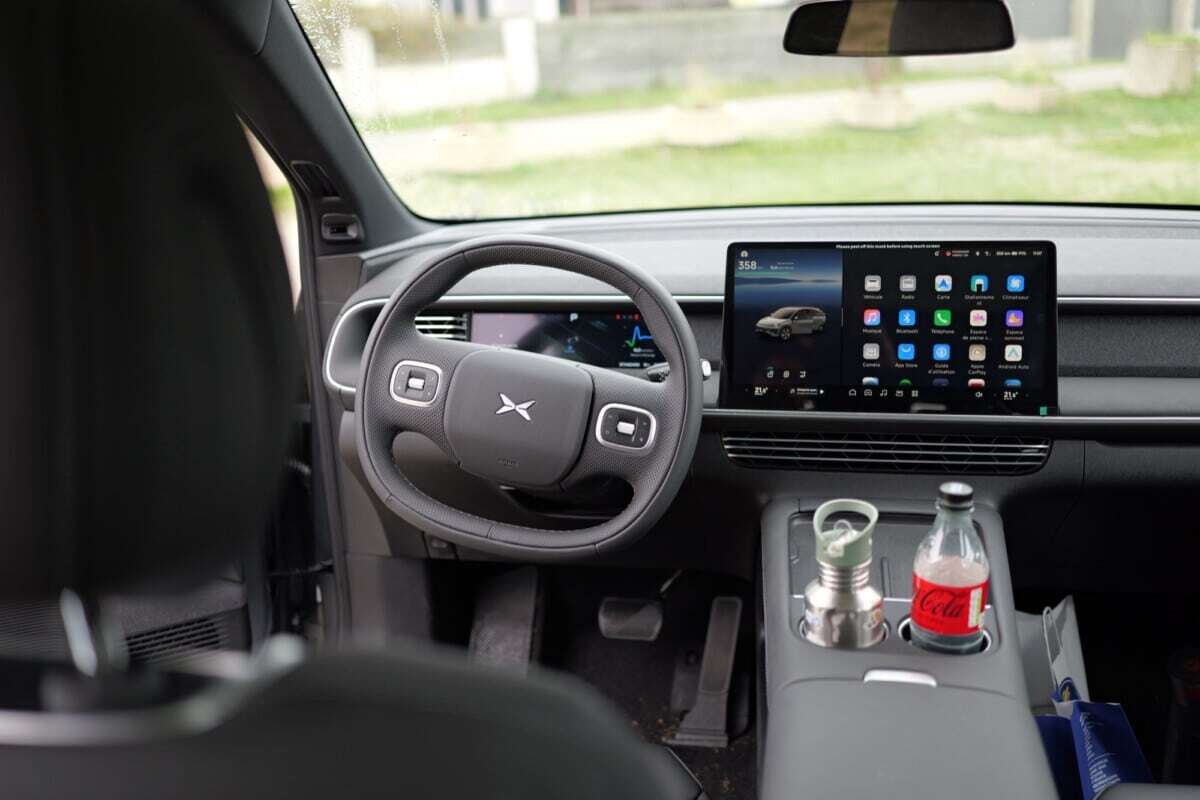
Switching from the Tesla Model Y to the Xpeng G6 felt like moving from one high-end tech product to another—sort of like going from an iPhone to a top-tier Android phone. Everything was where I expected it to be, but with subtle differences that gave it a unique twist. Xpeng clearly studied Tesla’s design and user experience, but they also made their own refinements.
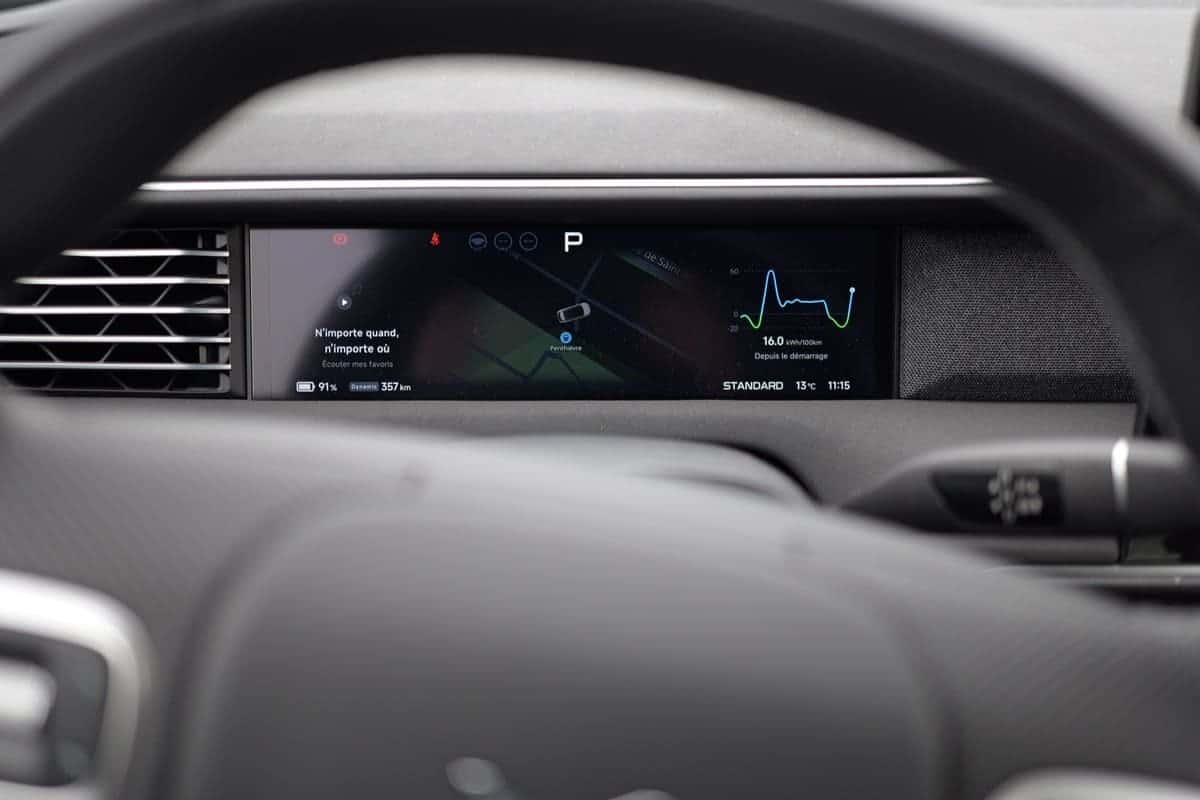
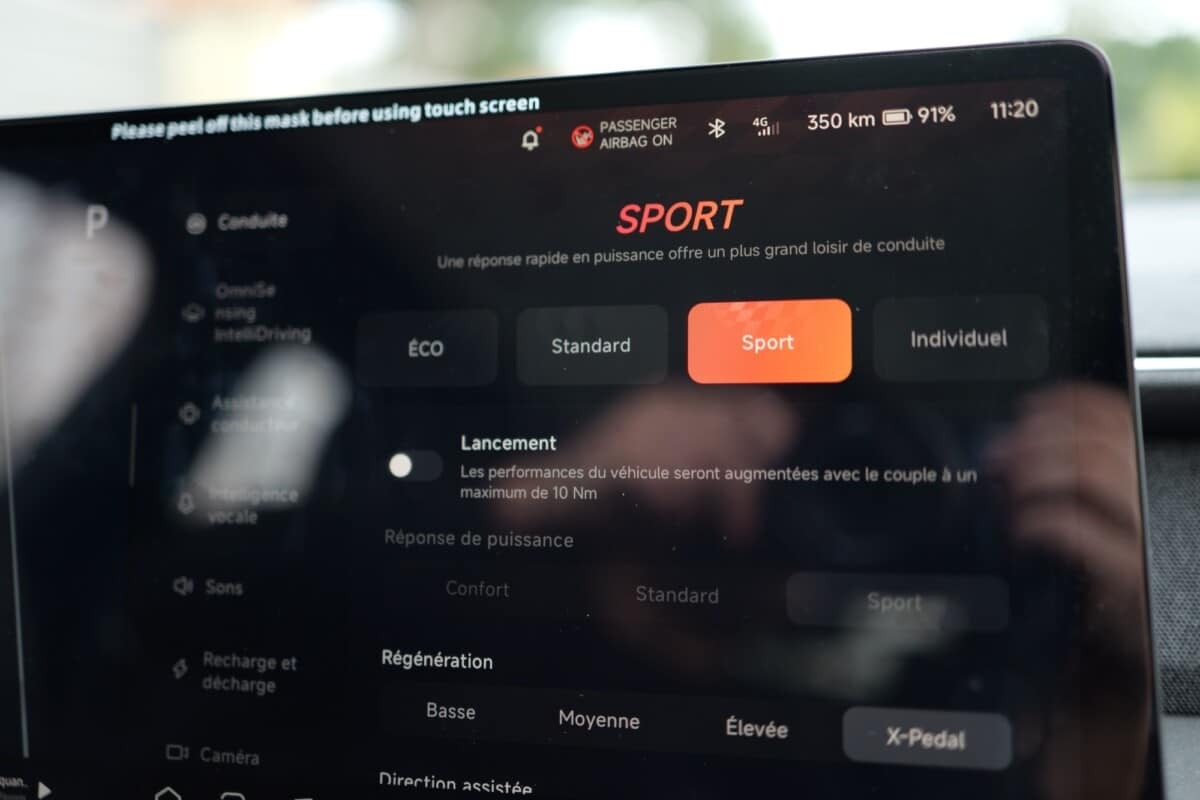
For example, the gear selector, turn signal logic, and regenerative braking settings are nearly identical to Tesla’s. This is actually a good thing—if something works, why change it? I felt comfortable with the G6 almost immediately because of this familiar layout. XPilot, Xpeng’s version of Tesla’s Autopilot, works similarly too. It activates with a double tap on the stalk, and the lane-keeping and adaptive cruise control functions operate much like Tesla’s, but with some useful tweaks, like smoother handling during temporary disengagements.
A More Premium Interior
This is where the Xpeng G6 truly shines. Once I stepped inside, it was clear that it offered a more premium feel compared to the Model Y. The build quality and materials are more refined, making the cabin feel upscale.
Some standout features:
NASA warns China could slow Earth’s rotation with one simple move
This dog endured 27 hours of labor and gave birth to a record-breaking number of puppies
- The ventilated front seats, which Tesla still lacks, were a real comfort.
- The cabin is quieter, especially at highway speeds, making long drives much more pleasant.
- The central touchscreen, though 15 inches, wasn’t quite as fluid in operation as Tesla’s but still impressive.
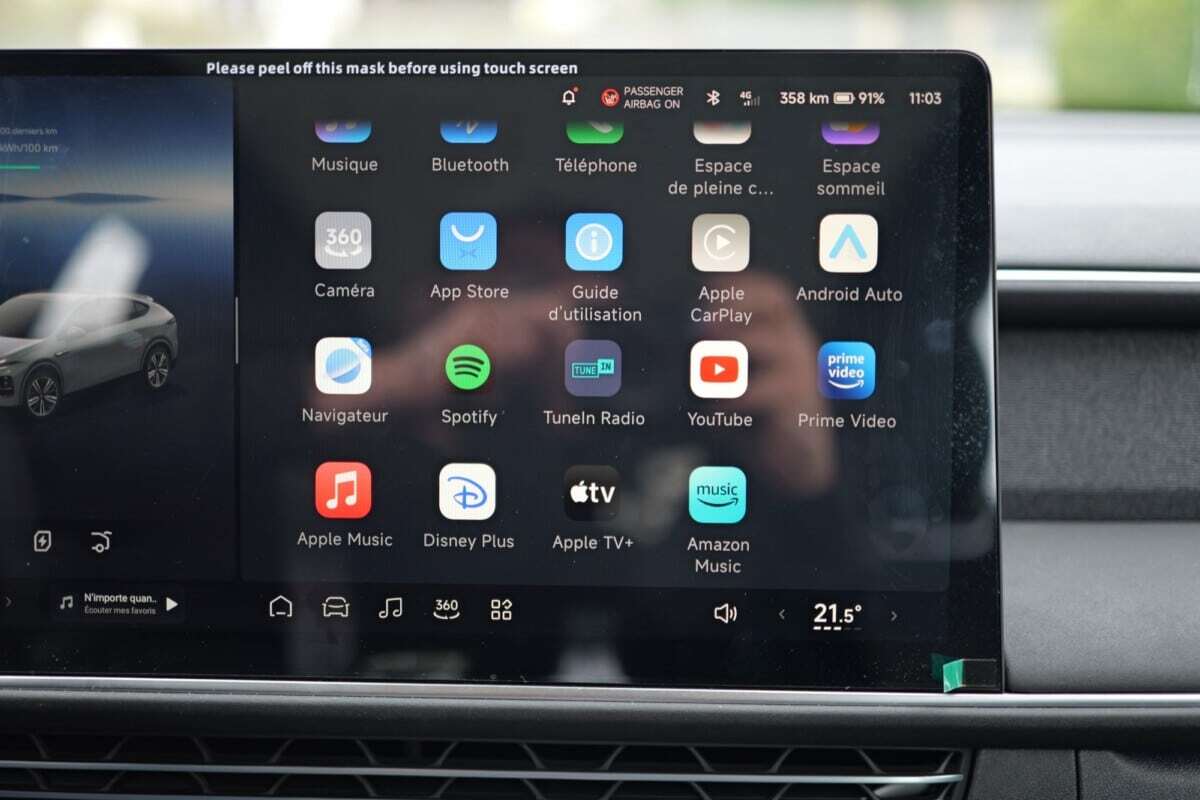
- Unlike Tesla, the G6 supports Apple CarPlay and Android Auto, which was a nice touch.
I also appreciated the driver display behind the steering wheel—something I miss in the Model Y. However, I do wish Xpeng had included a head-up display (HUD), as seen in other high-end Chinese EVs like Nio and BYD.
A Smarter Infotainment System
Xpeng takes a more open approach than Tesla when it comes to software, offering its own app store where you can download services like Apple TV, Disney+, YouTube, TikTok, and Instagram. This was a real surprise, as Tesla has a more locked-down ecosystem. The integration of these apps is well done, even though some are just web-optimized apps. It’s something Tesla could learn from, especially given its more restrictive ecosystem.
That said, the system isn’t without its quirks—some awkward translations and minor display bugs remain. The UI still isn’t as smooth as Tesla’s, but it’s clear that Xpeng is actively working to improve it through regular updates.
Driving the G6: Comfortable But Not as Sporty
On the road, the Xpeng G6 is comparable to the Tesla Model Y in terms of energy efficiency and consumption, but the driving experience itself revealed some differences:
- Acceleration: Even in Sport mode, the G6 doesn’t have the same aggressive punch as the Model Y.
- Comfort: The suspension is softer, providing a smoother ride over bumps.
- Steering: The steering is lighter, which makes it feel more relaxed but less engaging.
For those who value comfort over sporty performance, the G6 is a solid option. However, if you enjoy the instant acceleration and agility of the Model Y, Tesla still holds the edge.
Charging: A Surprise Win for Xpeng
Charging is often seen as a weak point for Chinese electric vehicles, but the Xpeng G6 pleasantly surprised me. Thanks to its 800V architecture, it outperforms the Model Y in some areas:
- The fast charging speeds were impressive, with a stable high-power plateau.
- Charging from 10% to 80% was quicker than in my Model Y.
If you’ve been loyal to Tesla because of the Supercharger network, you might want to reconsider, as the G6 shows that charging can be fast and efficient elsewhere.
XPilot: A More Relaxed Autopilot
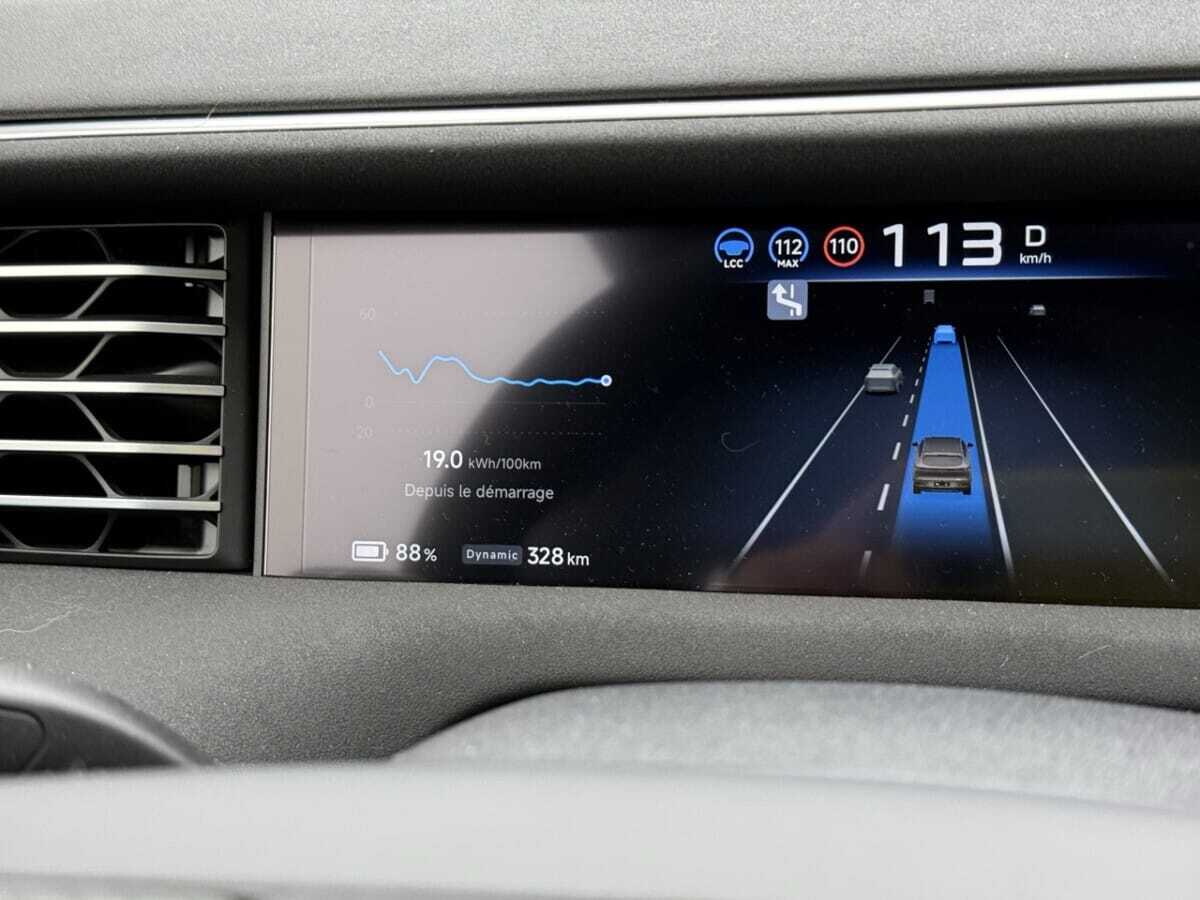
One area where Xpeng really improved on Tesla is the Autopilot system. Tesla’s system is often criticized for being a bit too strict when it comes to disengagements, especially during lane changes. XPilot is far more relaxed. It stays active during lane changes and re-engages smoothly after maneuvers, making long highway drives much more comfortable.
Other enhancements include:
- Lane centering: XPilot is steadier than Tesla’s system, which sometimes has a slight oscillation.
- Automatic lane changes: These are well-executed, with better judgment of gaps.
One issue: XPilot does slow down too much in tight curves—sometimes by 20-30 km/h below the set speed. Tesla’s system handles curves more naturally, so Xpeng still has some refining to do.
Sound System: Next-Level Audio
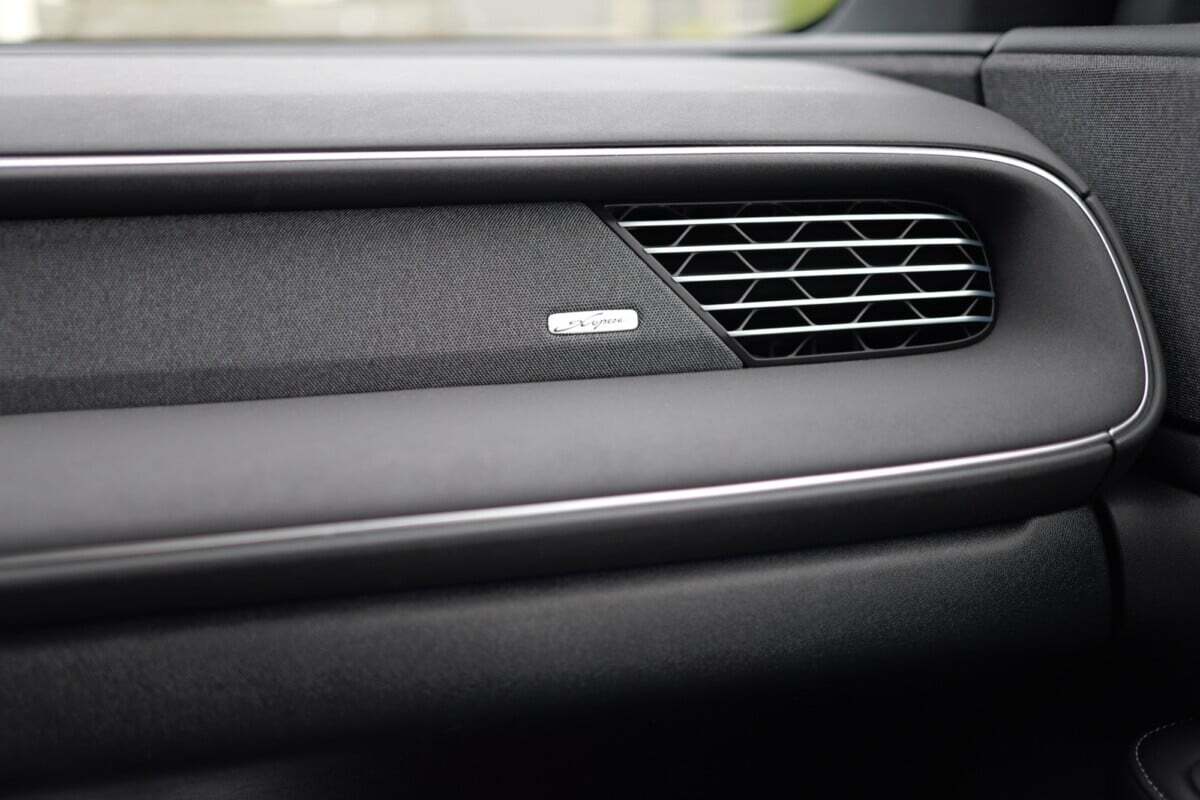
As someone who values great audio, I was really impressed by the Xpeng G6’s Xopera sound system:
- 960W power with 18 speakers, including subwoofers and immersive ceiling speakers.
- The sound was crystal-clear with rich bass and well-balanced mids.
- Built-in headrest speakers offered a more private listening experience.
Compared to the Model Y’s already strong sound system, the G6’s setup is on a whole new level.
Voice Assistant: A Letdown
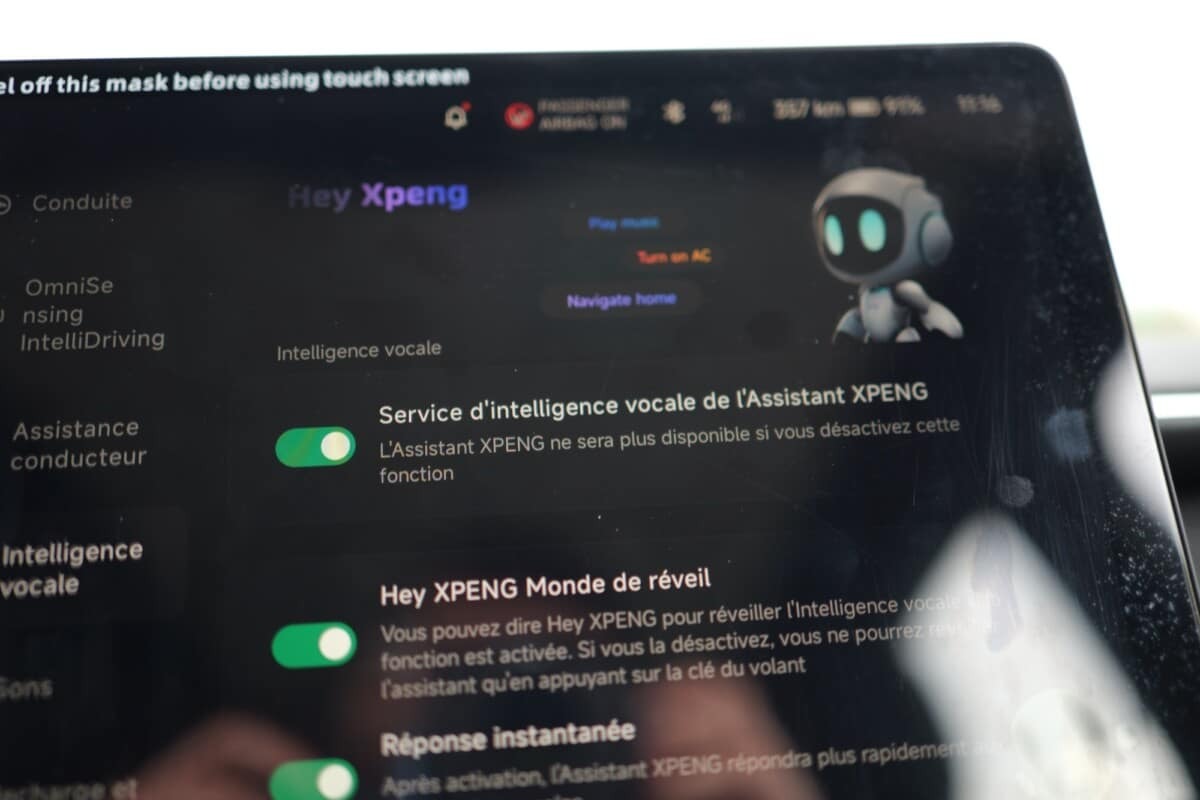
This is where Xpeng falls short. The voice assistant is limited to English and struggles with even simple commands. It’s frustrating, especially given the good hardware—good microphones and headrest speakers—but the software needs improvement. Tesla’s system is not perfect either, but it feels more refined. Google Assistant still sets the benchmark for voice control, and both Xpeng and Tesla have a long way to go in this area.
Size & Practicality: A Mixed Bag
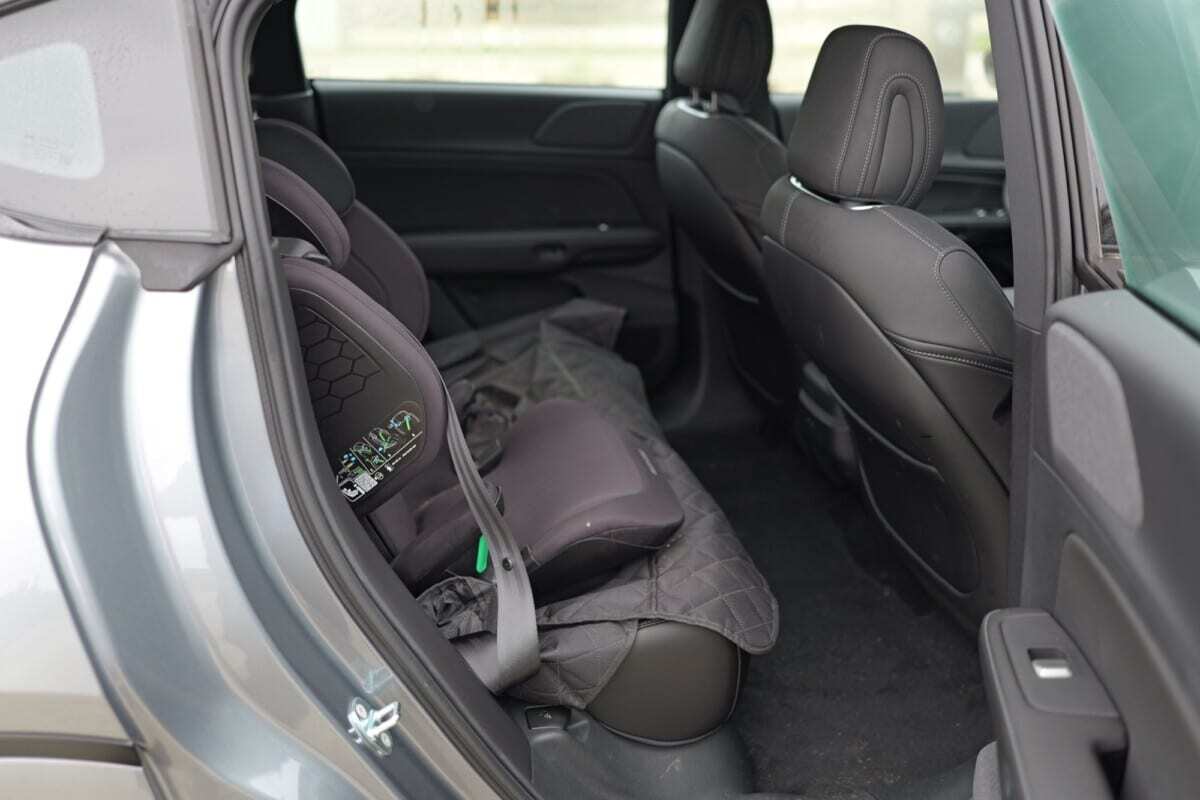
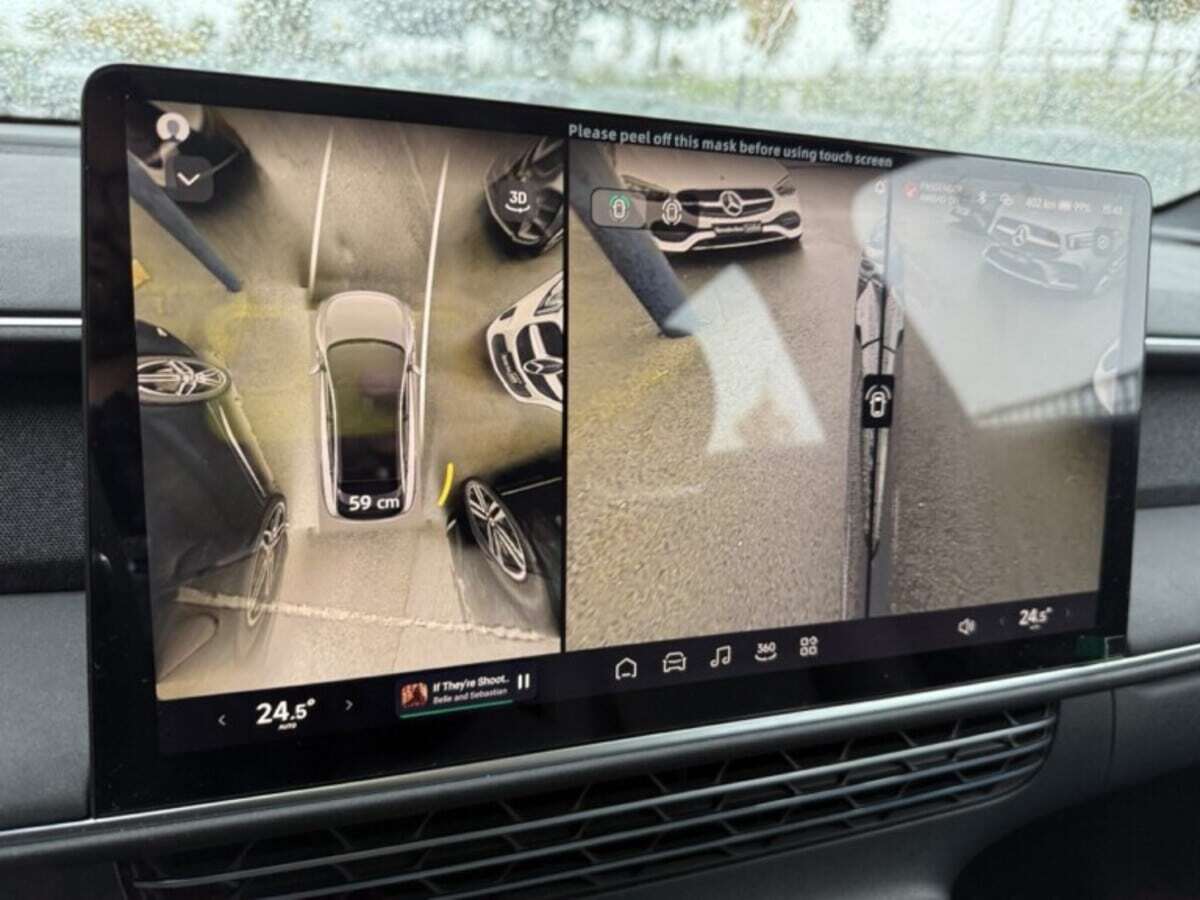
Despite the Xpeng G6 being larger than the Model Y, it has a surprisingly smaller trunk. This trade-off prioritizes rear passenger comfort over cargo space, which may appeal more to families but is a bit counterintuitive. On the positive side, parking is easier than expected, thanks to:
- 360-degree cameras with high-definition imaging.
- Smart zoom and obstacle detection.
- A front-facing camera, a feature absent in many competitors.
AutoPark: A Hidden Gem
While Tesla’s AutoPark feature isn’t perfect, Xpeng’s version actually works really well. It confidently identifies parking spaces and executes precise, fluid parking maneuvers—something my Model Y struggles with in tighter spots. In this area, Xpeng definitely outperforms Tesla.
Final Verdict: Would I Switch to the G6?
So, after four days in the Xpeng G6, would I switch from my Tesla Model Y? Not yet.
The G6 impresses with its premium comfort, better sound system, more flexible software, and refined driver-assistance features. And yes, not having to explain Elon Musk’s latest tweets at every dinner party is a bonus.
However, there are a few concerns:
- Xpeng is still new in Europe—what about service and resale value?
- The software updates need to fix some UI bugs and improve the voice assistant.
- The trunk is smaller despite the car being larger.
- XPilot’s cornering speed issue needs attention.
For now, I’ll stick with my Model Y, but I’m watching Xpeng closely. If they refine these issues, Tesla might have some serious competition on its hands.