
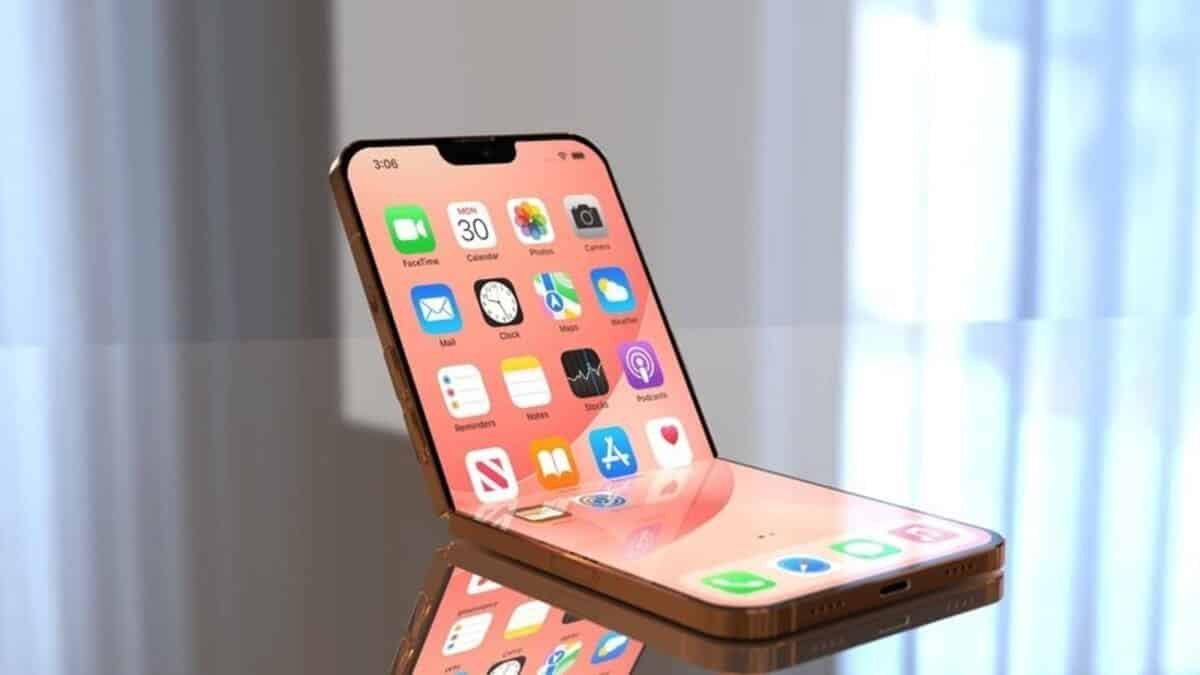
Apple fans are used to marking their calendars for September, eagerly awaiting the latest iPhone drop. But starting in 2026, those dates might no longer tell the whole story. The tech giant is reportedly planning a bold shake-up of its iPhone launch strategy—one that could split releases across the year and introduce the most radical redesign yet: a foldable iPhone.
Amazon co-founder MacKenzie Scott has donated over $19 billion to charity in just five years
Diamond batteries powered by nuclear waste promise 28,000 years of clean energy
A Two-Season Launch Cycle in the Works
According to respected analyst Ming-Chi Kuo, Apple is rethinking how it rolls out its iPhone lineup, moving toward a biannual launch schedule. Instead of releasing all models in the fall, the company is expected to reserve September for its premium devices—think Pro and Pro Max editions—while shifting more budget-friendly models to the following spring.
That means we could see something like the iPhone 18 Pro and a sleek new iPhone 18 Slim in fall 2026, with the standard iPhone 18 and iPhone 18e waiting until spring 2027. It’s a significant break from tradition, one driven in part by growing competitive pressure—particularly in China, where brands like Huawei and Xiaomi release multiple models year-round.
For Apple, this staggered schedule offers more than just breathing room for manufacturing. It keeps the spotlight shining throughout the year, potentially avoiding the all-in-one hype spike that usually surrounds its September events. It’s a strategic move—and honestly, kind of genius.
What to Expect ? Slimmer Designs and Foldable Dreams
Beyond the calendar shift, Apple is also cooking up something we’ve never seen from Cupertino: a foldable iPhone. But don’t expect a clamshell-style device like the Galaxy Z Flip. Apple’s take is said to resemble a book, more in line with Huawei’s Mate X series. Closed, it offers a compact 5.7-inch screen. Unfolded, it expands to nearly 8 inches—essentially turning your iPhone into a mini tablet.
And it won’t just be about size. The new foldable could be one of the thinnest smartphones on the market, with reports suggesting a thickness of just 4.5 to 4.8 mm when open. That’s thinner than most current phones in any state, and it would catapult Apple right into the ultra-premium foldable segment—an arena currently dominated by Samsung and Huawei.
According to Kuo, the device will still feature Face ID despite the form factor change, which hints at some impressive engineering under the hood.
NASA warns China could slow Earth’s rotation with one simple move
This dog endured 27 hours of labor and gave birth to a record-breaking number of puppies
Making Sense of a Growing iPhone Family
If this roadmap holds, Apple will be managing an increasingly complex product range—six iPhones at once, to be exact. That’s a lot, even by today’s standards. But spreading launches across seasons could help the company keep things clear for consumers while managing supply chain logistics more effectively.
There’s also the psychological angle: when a brand drops a new device every few months, it stays top of mind. That continuous buzz could be Apple’s way of maintaining dominance in a smartphone market that’s becoming harder to impress year after year.
A New Era for iPhone Begins
This evolving strategy signals something bigger than just calendar changes. It’s a reflection of how Apple is adapting to a shifting tech landscape—one where foldables are real contenders and where buyers expect both innovation and flexibility.
Whether you’re eyeing a thinner-than-ever iPhone, waiting for that springtime budget model, or curious about how Apple will handle foldable durability, one thing’s certain: 2026 won’t be business as usual. For longtime fans and industry watchers alike, that’s something to get genuinely excited about.