
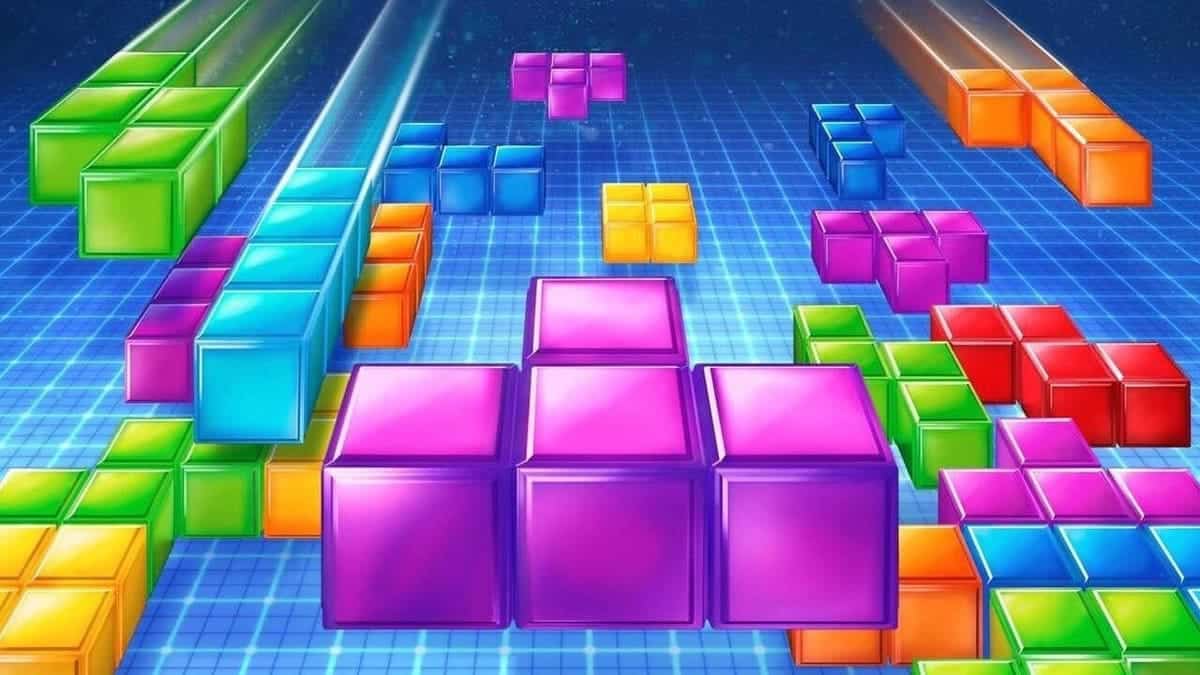
What does it take to break a video game that’s designed to be unbeatable? For 13-year-old Willis Gibson, better known by his gamer tag Blue Scuti, the answer is a mix of lightning reflexes, extreme concentration, and the kind of passion only true gamers know. In December 2023, this American teenager did what no one had done in 40 years of Tetris: he played it to the point of breakdown—literally. But while the gaming community cheered, not everyone was ready to call it a triumph. One British TV anchor even took a jab at his success on live television, igniting a fierce debate about the value of video games in today’s world.
Amazon co-founder MacKenzie Scott has donated over $19 billion to charity in just five years
Diamond batteries powered by nuclear waste promise 28,000 years of clean energy
A teenage gamer stuns the world with an “impossible” win
In a feat that’s making waves far beyond the world of gaming, 13-year-old Willis Gibson, better known online as Blue Scuti, has done what no one believed possible: he beat Tetris. Not just “won a game” or “set a high score”—he reached level 157, pushing the classic NES version of the game so far that it crashed. For the uninitiated, that’s like sprinting so fast the track melts beneath your feet.
Gibson streamed his record-breaking run live on Twitch on December 21, 2023. Thousands of viewers watched in awe as he guided the pixelated blocks with laser focus, eventually pushing the aging software beyond its limits. “I’m going to pass out,” he gasped as the game glitched and froze—a fitting finale to a performance that will likely go down in video game history.
Tetris: A simple game with legendary difficulty
Launched in the 1980s on the Nintendo Entertainment System (NES), Tetris is deceptively basic: stack falling blocks, complete lines, and clear the screen. But the simplicity hides a brutal truth—by level 29, the pieces fall so fast that human reflexes can barely keep up. Few make it that far. Fewer still live-stream it. And until now, no one had ever pushed it to the breaking point.
Willis didn’t just survive the chaos of the upper levels—he conquered them. By level 157, the speed was so intense that it rendered most players’ screens unwatchable. Yet he pressed on with machine-like precision. For longtime gamers, it’s the equivalent of watching someone beat Pac-Man blindfolded or checkmate a chess grandmaster in four moves.
Criticism from TV journalist sparks online backlash
But not everyone was impressed. On Sky News, presenter Jayne Secker reacted to Gibson’s accomplishment with a smirk and a heavy dose of skepticism.
“As a mum,” she said, half-laughing, “I’d just say—step away from the screen. Go outside. Beating Tetris isn’t a life goal.”
NASA warns China could slow Earth’s rotation with one simple move
This dog endured 27 hours of labor and gave birth to a record-breaking number of puppies
Her tone may have been light, but the message stung. Across social media, viewers quickly jumped to Willis’s defense. Many pointed out that completing Tetris at such a level requires elite hand-eye coordination, strategic thinking, and sheer determination. One commenter even compared it to “beating Magnus Carlsen in a chess match—at 13.”
The backlash was swift and global. For many, the dismissive tone echoed a long-standing disconnect between mainstream media and video game culture. While gaming has grown into a multibillion-dollar industry—larger than music and film combined—it’s still often viewed through an outdated lens.
More than just a game: why this matters
What’s especially striking here isn’t just the feat itself, but what it reveals. In an age where digital skills, perseverance, and innovation are key, dismissing a young person’s passion simply because it’s “just a game” feels more out of touch than ever.
It reminded me of the first time I showed my grandparents what I could do in Photoshop. They stared blankly, then asked why I didn’t just “paint something instead.” Old habits die hard—but that doesn’t mean we shouldn’t try to see the value in modern accomplishments.
Sure, going outside is great. But so is pushing boundaries, mastering a craft, and yes—beating a 40-year-old game that no one else has. It’s not about replacing fresh air with screen time. It’s about recognizing brilliance in all its forms.
And for the record, Willis Gibson didn’t just beat Tetris. He rewrote its legacy.