
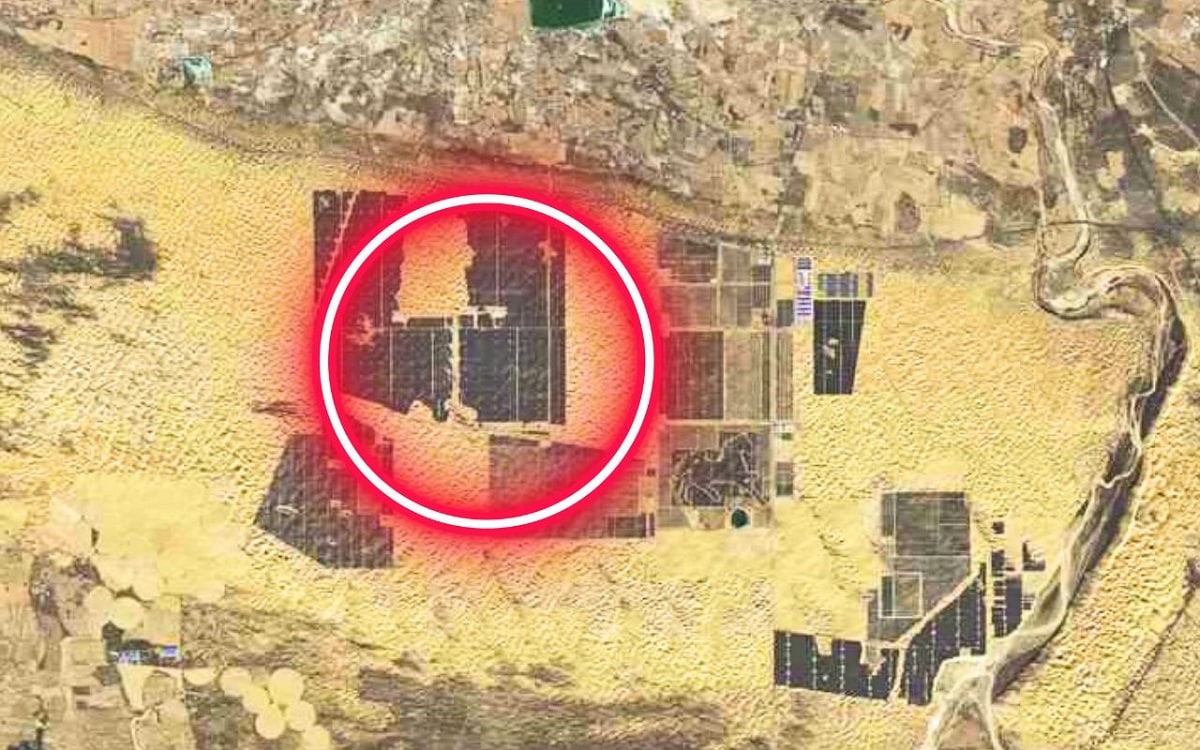
China has taken a giant leap in the race for renewable energy by introducing what promises to be the world’s largest solar field, sprawling 400 kilometers across the rugged terrain of Inner Mongolia. This project isn’t just a technical marvel—it’s a symbol of a future where clean energy lights up millions of homes, even potentially powering parts of France.
Amazon co-founder MacKenzie Scott has donated over $19 billion to charity in just five years
Diamond batteries powered by nuclear waste promise 28,000 years of clean energy
A Monumental Project Under China’s Expansive Sky
I recall a conversation with a colleague who always marveled at the contrast between Beijing’s smog and the bright promise of renewable energy. In stark contrast to the cloudy skies over the city, the vast Kubuqi Desert now glows with millions of solar panels. Satellite images from NASA’s Landsat missions have revealed a dramatic transformation—what once was barren land is now a beacon of green energy. This development highlights China’s aggressive strategy in reducing its carbon footprint and moving decisively towards cleaner energy, as noted by several environmental analysts.
Constructing the Largest Solar Field in the World
Stretching over 400 kilometers in length and 5 kilometers wide, the Kubuqi Solar Field currently churns out an impressive 5.4 gigawatts of power. As construction advances towards its 2030 completion, this site is poised to be recognized as the largest solar farm on the planet. Known in local circles as “the photovoltaic sea,” over three million solar panels now capture the sun’s rays across the desert. Urban energy consultant Emma Collins summed it up perfectly:
“This solar field is not just a feat of engineering but a beacon of hope for sustainable urban energy solutions. It’s incredible to see such large-scale projects come to life and make a tangible impact.”
Her enthusiasm mirrors the excitement of those who see technology as the key to a greener future.
Optimizing an Ideal Site for Maximum Efficiency
Choosing the Kubuqi Desert wasn’t a random decision. With its clear skies, flat landscapes, and proximity to major industrial zones, this area ticks all the boxes for efficient solar power generation. Situated on dunes just south of the Yellow River, between Baotou and Bayannur, the panels can deliver power swiftly to nearby industrial hubs. NASA experts emphasize that such carefully chosen locations are critical for maximizing both output and reliability in solar energy projects.
Visible Progress from Space
Imagine watching the evolution of a landscape from space—a transformation so rapid it almost seems magical. From 2017 to 2024, satellite images have tracked the swift development of the solar field, even featuring an artistic tribute to Mongolian culture: a giant solar depiction of a galloping horse. This image, which has claimed a spot in the Guinness World Records as the largest created with solar panels, seamlessly marries innovation with cultural heritage, underscoring China’s respect for its traditions while forging ahead with modern technology.
Production and Local Impact
Locally known as the Fine Horse Solar Station, this project is already making a significant difference by powering 400,000 households. More than just generating electricity, the installation of solar panels has a practical side—helping to stabilize sand dunes and limit desertification. I spoke with Jake Thompson, a farmer from the area, who remarked:
“The presence of these solar panels has not only provided us with clean energy but also helped protect our land from further degradation. It’s a win-win for both the environment and our community.”
His words highlight how cutting-edge technology can also bolster local agriculture and land conservation.
Secondary Environmental Benefits
Beyond their energy-producing capabilities, these solar panels offer unexpected environmental perks. They help maintain cooler, more humid conditions in the dune areas, which fosters the growth of resilient vegetation. This kind of ecological benefit is praised by environmental groups who believe such projects can turn even the harshest landscapes into thriving ecosystems.
Towards a Renewable Future for Beijing
The vision for this “solar sea” extends far beyond the desert. Chinese authorities hope that, one day, the energy harnessed here could supply electricity to all of Beijing—a city bustling with 21.9 million residents, roughly equivalent to one-third of France’s population. Electricity is set to be channeled through the Gansu corridor into central-northern China, symbolizing a bold step towards reducing the country’s reliance on fossil fuels. Dr. Isabelle Martin, a renewable energy expert with the International Renewable Energy Agency (IRENA), comments on the broader impact:
NASA warns China could slow Earth’s rotation with one simple move
This dog endured 27 hours of labor and gave birth to a record-breaking number of puppies
“China’s investment in such large-scale solar projects is a testament to the global shift towards renewable energy. It sets a precedent for other nations and demonstrates the feasibility of powering entire cities with clean energy.”
Conclusion: A Beacon of Sustainable Innovation
This groundbreaking solar field stands as a powerful symbol of innovation and environmental stewardship. By converting the vast and previously underutilized expanse of the Inner Mongolian desert into a sprawling energy hub, China is not only securing its energy future but also setting an inspiring example for the world. As construction continues, the project offers valuable lessons for balancing industrial growth with sustainability—a challenge that many countries are grappling with today.
In many ways, this solar field is more than just a grid of panels—it is a testimony to what can be achieved when technology meets visionary planning. With every sunrise, the promise of a cleaner, more sustainable future grows brighter, inspiring communities and policymakers around the globe to rethink how we produce and consume energy.