
As the world increasingly moves online, the rise of data centers has brought with it a hidden environmental cost. While they power everything from cloud storage to streaming services, these giants of the digital age are generating significant air pollution.
Amazon co-founder MacKenzie Scott has donated over $19 billion to charity in just five years
Diamond batteries powered by nuclear waste promise 28,000 years of clean energy
The Growing Energy Demand of Data Centers
With the rapid expansion of cloud computing, artificial intelligence (AI), and digital services, the demand for data storage has skyrocketed, leading to the rapid construction of data centers across the globe. These sprawling complexes house the servers that power everything from social media to e-commerce platforms. While they are critical to modern life, their environmental impact is often overlooked.
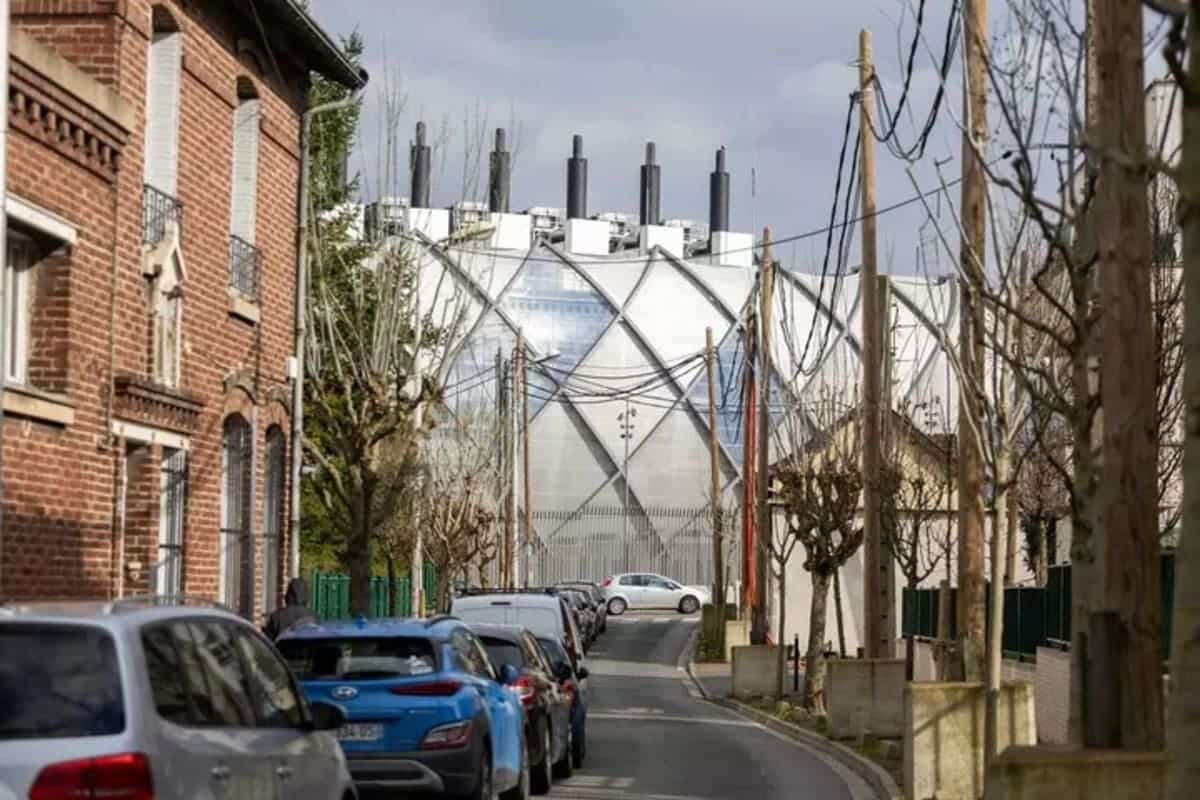
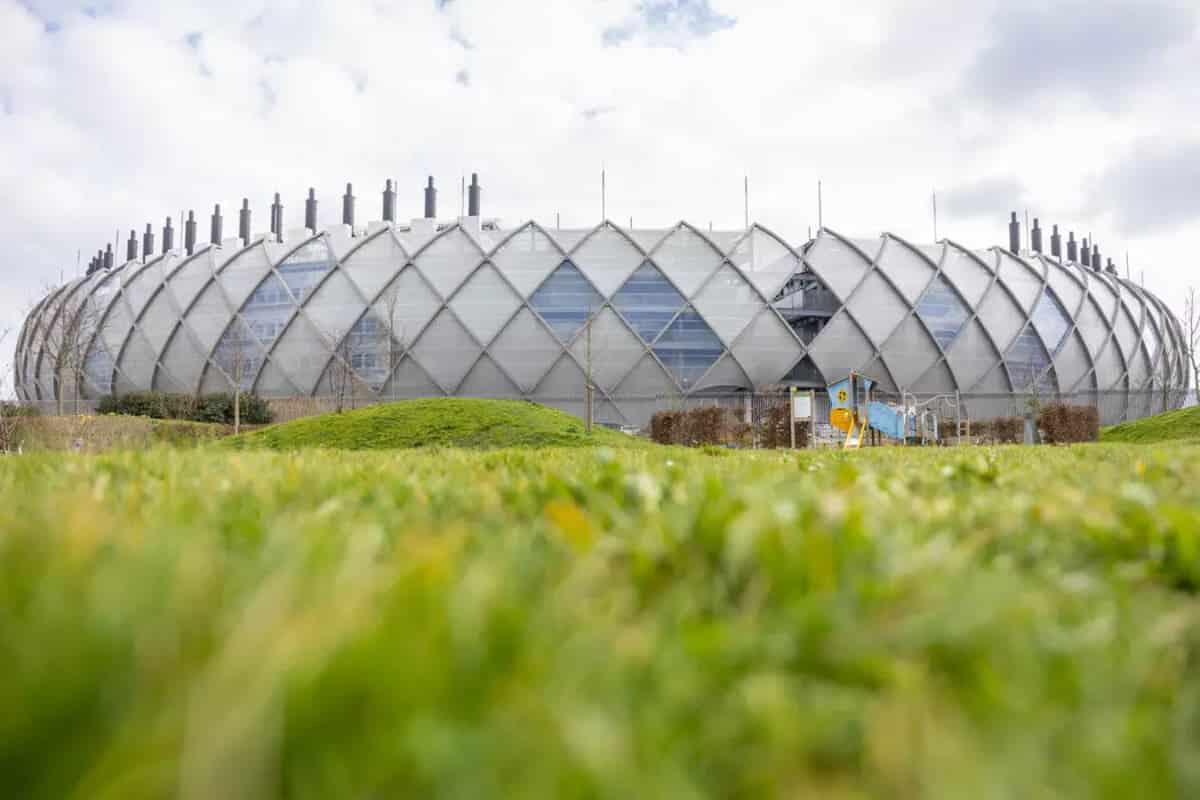
In the suburbs of Paris, for example, a massive data center project is underway in Dugny, near the Bourget airport. Local residents, concerned about the potential impacts, are raising alarms over more than just the size of the facility. Data centers, known for their immense power consumption, come with a range of environmental challenges, including their carbon footprint and the energy required to keep their servers running 24/7.

A Hidden Pollutant: Diesel Backup Generators
What many people don’t realize is that in case of a power failure, data centers rely heavily on diesel backup generators to keep operations running smoothly. These generators, which are essential for keeping servers online during blackouts, emit significant amounts of nitrogen oxides (NOx) and fine particles into the air.
In Dugny, the new data center is expected to require 108 powerful diesel generators. These generators are set to be tested every month to ensure they are operational in case of an emergency. While this might seem like a precautionary measure, it leads to ongoing emissions that contribute to the air quality problems in the surrounding area. According to Philippe Schmit, President of the Regional Environmental Authority, the emissions from these generators could add up to 56.5 tons of NOx per year, equivalent to a significant portion of the annual pollution from vehicle traffic in the area.

The Strain on Local Air Quality
In regions like Île-de-France, the air quality is already under strain from various sources, including traffic and industrial emissions. The addition of emissions from diesel backup generators significantly compounds the issue, creating a dangerous mix of pollutants that can worsen health outcomes for local residents.
NASA warns China could slow Earth’s rotation with one simple move
This dog endured 27 hours of labor and gave birth to a record-breaking number of puppies
A report from Airparif, the regional air quality monitoring organization, acknowledges the potential impact of data center emissions. While the quantities of pollutants may seem small on an individual basis, the cumulative effect of multiple large data centers in a concentrated area is considerable. In fact, as more data centers are planned for regions like Dugny, experts worry about the long-term effects on local air quality, especially given the increased demand for computing power driven by technologies like AI.

Alternatives and the Struggle for Cleaner Energy
The debate around the environmental impact of data centers is not new. However, greener technologies are emerging to address the issue. Companies like EODev are working on hydrogen-powered backup generators, which produce significantly fewer pollutants compared to traditional diesel models. However, the transition to hydrogen-powered systems is still far from widespread, mainly due to high costs and the limited availability of hydrogen fuel.
While some companies, like Digital Realty in Dugny, have made attempts to switch to hydrotreated vegetable oil (HVO) for their backup generators, the reality remains that diesel remains the most cost-effective solution for meeting the enormous energy demands of modern data centers. The lack of infrastructure and the high costs associated with cleaner alternatives make it difficult for these facilities to adopt sustainable solutions.
A Broader Problem: Lack of Regulation
One of the key issues here is the lack of regulation governing the emissions of backup generators at data centers. Although the French government has introduced plans to phase out the use of polluting diesel generators in certain sectors, data centers remain exempt. In fact, European regulations on air quality, which aim to meet the World Health Organization’s recommendations, are not yet fully integrated into French law. This gap allows companies to continue using older, more polluting technologies without facing significant penalties.

Looking Ahead: Can the Digital Age Be Clean?
The challenge of managing the environmental impact of data centers is not something that can be solved overnight. As more data centers are planned across the globe, the push for cleaner energy sources becomes even more pressing. While AI and digital services continue to grow, so too will the energy demand. The question is whether we can balance this digital growth with sustainable practices that protect both our environment and our health.
As the data center industry continues to expand, local communities, environmental organizations, and governments must come together to create solutions that limit the environmental footprint of these digital giants. There is no simple fix, but with the right technology and policies in place, it’s possible to build a cleaner, more sustainable future in the age of digital transformation.