
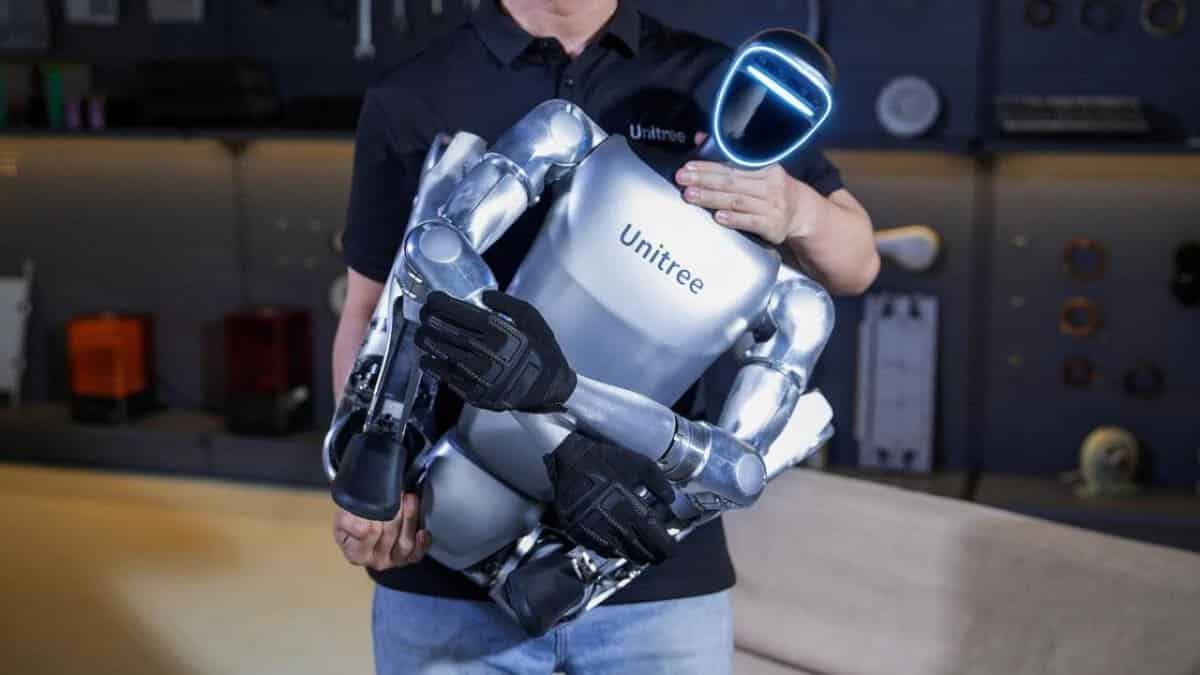
In the ever-evolving world of robotics, Boston Dynamics has long been recognized for pushing the envelope with their innovative creations like the Spot quadruped robot and the humanoid Atlas. However, at the CES 2025, a new contender has emerged from China, Unitree Robotics. With a more accessible price tag and robots designed for different purposes, Unitree is challenging the dominance of Boston Dynamics in both professional and consumer markets. Let’s take a closer look at the potential rivalry between these two robotic powerhouses and what the future might hold.
Amazon co-founder MacKenzie Scott has donated over $19 billion to charity in just five years
Diamond batteries powered by nuclear waste promise 28,000 years of clean energy
A Familiar Look with a New Purpose
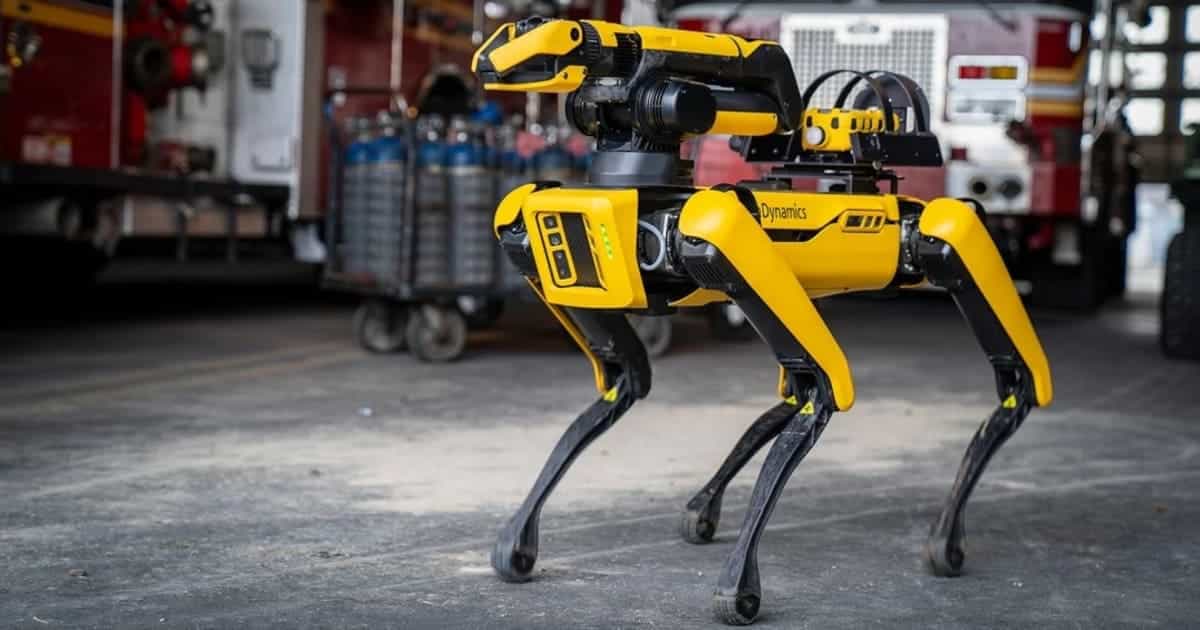
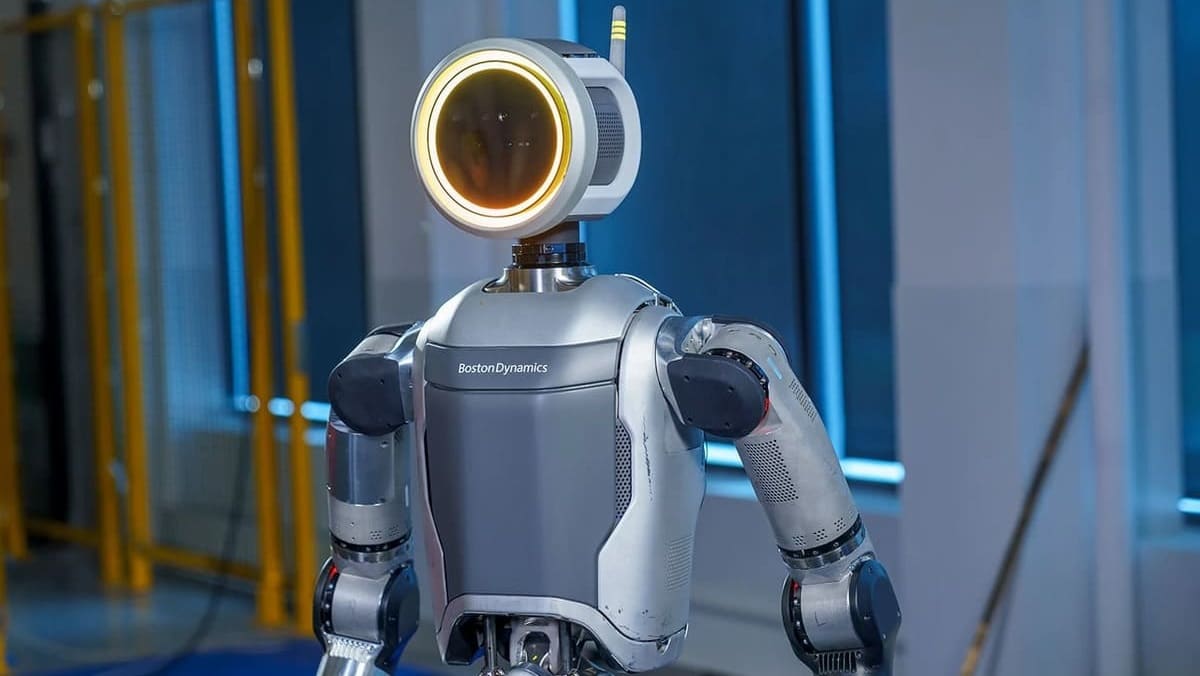
When Unitree unveiled its new robotic line-up at CES 2025, many couldn’t help but notice the striking similarities to Boston Dynamics’ offerings. The Go2 quadruped robot, for instance, bears a strong resemblance to Boston Dynamics’ Spot—a robot designed for various professional applications like surveying and industrial inspection. Unitree’s G1 humanoid robot, on the other hand, seems to be a direct competitor to Atlas, Boston Dynamics’ more advanced, highly skilled humanoid.
But despite their similar appearances, these robots are built with different goals in mind. While Spot is primarily intended for professional environments—where it can navigate tough terrain, assist with security tasks, and handle intricate inspections—Unitree’s robots are aimed at both professional use and household applications. In other words, Unitree is bringing robotics to the people, positioning their products as more versatile and affordable alternatives for personal and domestic use.
How Unitree Is Changing the Game
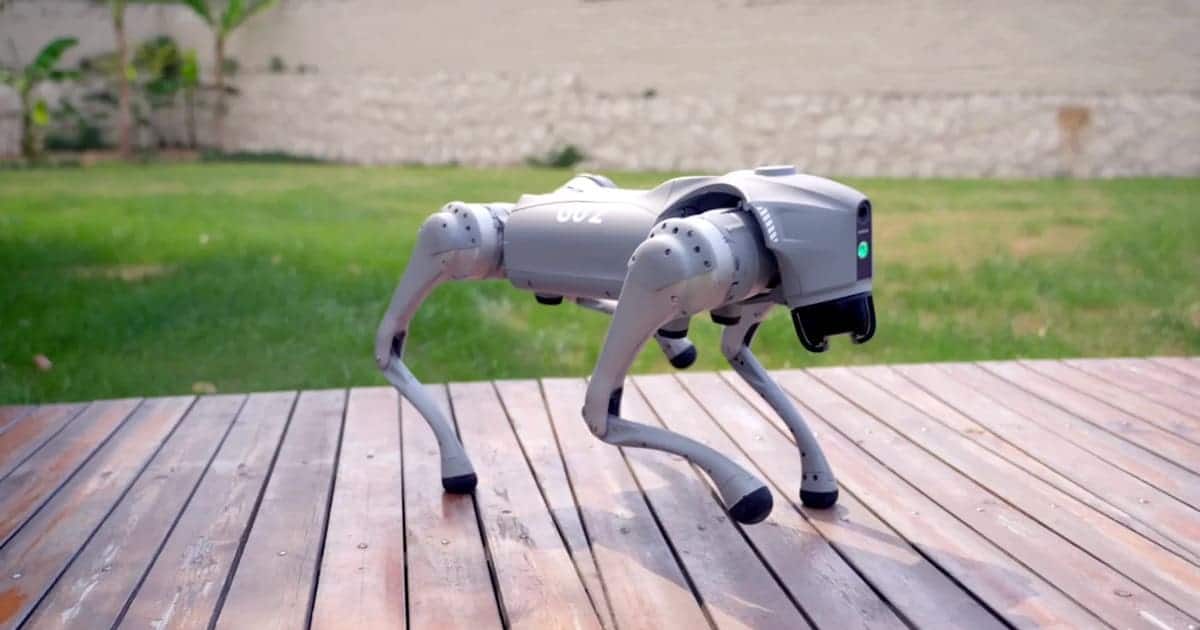

One of the key aspects that sets Unitree apart from its competitors is the brand’s approach to functionality. While Boston Dynamics has built a reputation for high-performance robots with a hefty price tag, Unitree is focusing on accessibility and practicality. For instance, the G1 humanoid robot is designed to take on everyday tasks—imagine a robot that could help clean your house or even make breakfast! Meanwhile, the Go2 quadruped robot is positioned as a “patrol and assistance dog”, capable of helping in emergencies by transporting supplies or connecting you with emergency services when necessary.
The price difference between these robots is another major factor in Unitree’s favor. The Spot from Boston Dynamics is a high-end robot, priced at a staggering $74,500—an amount that limits its accessibility to corporations, institutions, or specific professional sectors. In contrast, the Unitree Go2 begins at just $1,600, making it much more affordable for personal use or small businesses. The G1 humanoid from Unitree starts at $16,000, which, while still a significant investment, is far less than the likely cost of Atlas when it finally hits the market.
Will These Robots Find a Place in Our Homes?
As impressive as these robots are on paper, the real question remains: will they be embraced by the general public? The affordability and diverse functionality of Unitree’s robots certainly open up possibilities for widespread adoption. Whether they’ll become regular fixtures in our homes, assisting with tasks, or helping elderly family members, remains to be seen. But what’s clear is that Unitree’s approach is tailored to appeal to a much broader audience than Boston Dynamics, with the potential to bring robotics into the everyday life of regular consumers.
In the coming years, we might see these robots not only in professional settings but also as companions and helpers in our personal spaces. While Boston Dynamics’ robots will likely continue to cater to niche markets and specialized industries, Unitree’s products could pave the way for robotics to become as ubiquitous in homes as smartphones.
In conclusion, the introduction of Unitree’s robots signals a new era in the robotics industry—one where affordable innovation meets practical use. While Boston Dynamics remains the gold standard for advanced robots, Unitree’s more accessible designs are ready to capture the hearts of consumers looking for a helping hand in their everyday lives. The future of robotics is exciting, and it looks like China’s Unitree may just have the key to unlocking it for the masses.
NASA warns China could slow Earth’s rotation with one simple move
This dog endured 27 hours of labor and gave birth to a record-breaking number of puppies