
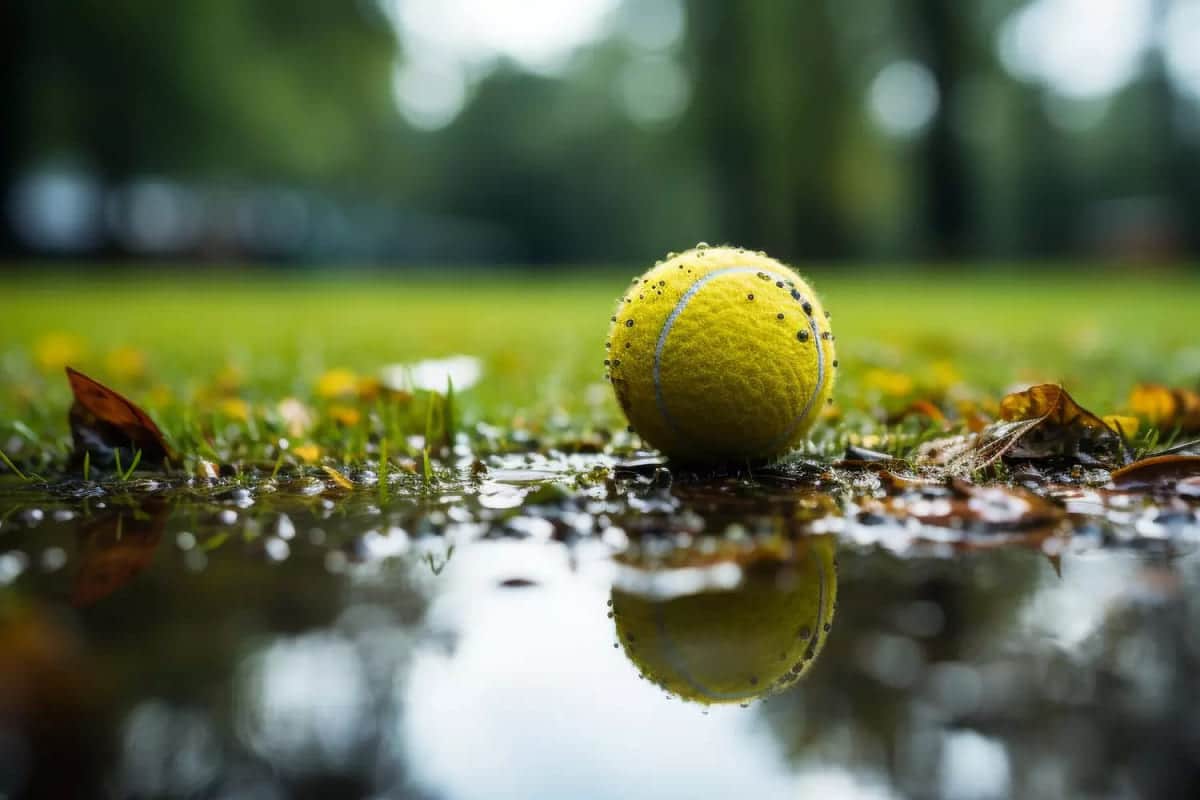
As you walk through your neighborhood this winter, you might spot a tennis ball resting in a garden, seemingly forgotten among the fallen leaves. It might seem like a random item, left behind after a game of fetch or perhaps just a leftover toy. But what if I told you that this simple ball could actually be doing something very important? It turns out, this humble item can have a surprisingly positive impact on both your garden and the wildlife that visits during the colder months.
Amazon co-founder MacKenzie Scott has donated over $19 billion to charity in just five years
Diamond batteries powered by nuclear waste promise 28,000 years of clean energy
The Simple Trick: A Tennis Ball in Your Garden’s Water
During winter, gardeners are often busy protecting their plants from frost—covering fragile ones, spreading mulch, and taking precautions against the freezing temperatures. But it’s not just plants that need attention; our local wildlife also faces tough conditions when the mercury drops. Birds, hedgehogs, squirrels, and other creatures often struggle to find food and fresh water. Here’s where that tennis ball comes into play.
The Royal Society for the Prevention of Cruelty to Animals (RSPCA) has shared a surprising and simple tip: leave a tennis ball—or even a ping pong ball—in a key spot in your garden, especially near any water sources like ponds or birdbaths. This small but effective action could provide much-needed access to fresh drinking water for wildlife throughout the winter months.
Why Does a Tennis Ball Help?
As the temperatures fall, even small bodies of water like birdbaths and ponds can freeze over, blocking animals from drinking. The tennis ball works wonders here by serving as a natural ice-breaker. When placed in a pond or any water container, the ball floats on the surface. The slight movement caused by the wind keeps the water from freezing completely, breaking up any ice that tries to form. This creates a small, open area of liquid water, providing a much-needed drinking source for animals.
In addition to preventing the ice from forming, the ball’s motion also helps oxygenate the water, which improves its quality for the wildlife relying on it. While this trick may not have much impact in larger ponds, it works especially well in smaller garden features like birdbaths, small ponds, or even pet water bowls. It’s a low-maintenance, high-impact solution to ensure animals don’t go thirsty on freezing nights.
A Small Gesture with Big Benefits
Some might worry that a bright yellow tennis ball might scare off more skittish animals. If this is a concern for you, there’s a simple fix: remove the ball during the day. This way, animals, especially those who are a little more cautious, won’t be intimidated by the unusual object in their space. Then, at night, you can place it back in the water, allowing animals to access fresh water when they need it most.
This tiny, often overlooked gesture can play a critical role in supporting wildlife during the harsh winter months. It could mean the difference between life and death for many animals, from birds to hedgehogs to squirrels. Even if the change seems small, it can have a profound impact on their survival through the cold season.
A Simple Act of Kindness
So, the next time you’re outside—whether you’re shoveling snow, enjoying a winter walk, or perhaps playing a round of tennis—don’t forget to leave a tennis ball by your garden’s water sources. It’s a simple and thoughtful action that can make a world of difference for your feathered and furry neighbors. They’ll be grateful for the extra help, and you can take pride in knowing that you’ve made your garden a more welcoming place for wildlife during the colder months. This simple trick is a small act of kindness that truly counts.
NASA warns China could slow Earth’s rotation with one simple move
This dog endured 27 hours of labor and gave birth to a record-breaking number of puppies