
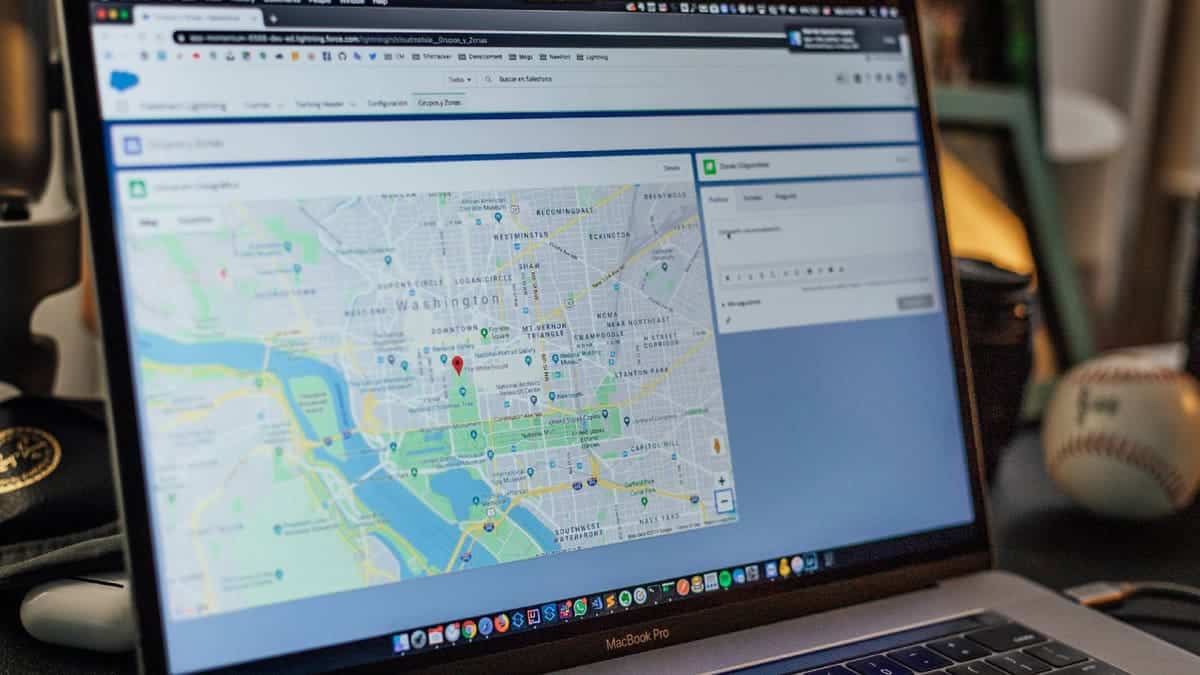
For many years, Google Maps has been the go-to tool for navigating through life—helping us find directions, check traffic, and explore new places. It’s been effortlessly integrated into Google Search, offering a seamless experience that became part of our daily routines. However, if you’ve recently noticed that Google Maps no longer pops up as easily within your search results, you’re not imagining things. In a move prompted by new European Union regulations, Google has been forced to remove its navigation features from its search results, signaling a major shift in how we access mapping services.
Amazon co-founder MacKenzie Scott has donated over $19 billion to charity in just five years
Diamond batteries powered by nuclear waste promise 28,000 years of clean energy
The Digital Markets Act Shakes Up the Tech Landscape
The driving force behind this significant change is the Digital Markets Act (DMA), a new and ambitious EU regulation aimed at curbing the dominance of tech giants like Google. The DMA is designed to encourage fairer competition by ensuring that companies don’t control too many aspects of the digital ecosystem. Google’s tight integration of services—such as Maps, Calendar, and Docs—within its search engine has long been seen as stifling competition. For years, users had to rely on Google for almost every online need, from email to navigation. With the DMA now in effect, Google must start decoupling its services, starting with Google Maps.
Google Maps Disappears from Search Results
If you’ve recently searched for directions using Google, you might have been surprised to find that the Maps preview that once appeared alongside search results is now missing. Previously, a simple search for a location would give you not only the address but also navigation links, traffic updates, and more—all neatly displayed within the search results. Now, users in the EU have to take an extra step to access the Google Maps platform, either through the website or by opening the Google Maps app. Personally, as someone who used this feature daily, I can attest that even the smallest inconvenience, like an extra click, can throw off the rhythm of a busy day.
Balancing Convenience and Fair Competition
Google’s integration of services into its search results was undeniably convenient. You could get directions, check traffic, or discover local businesses without ever leaving the Google search page. But this seamless experience also meant that competitors like HERE WeGo or OpenStreetMap struggled to gain traction, since Google’s system kept users within its own ecosystem. The EU’s decision to remove these integrated navigation features is an attempt to level the playing field by encouraging more competition in the digital services market.
While it may be a small inconvenience to adapt to this change, the DMA’s impact will likely be felt over the long term, fostering a more competitive environment for mapping services and beyond.
What’s Next for Google and Its Competitors?
This move is part of a larger regulatory trend that is shaking up the tech industry across Europe. The DMA is only one part of the EU’s broader push to open up digital platforms, compelling tech giants to allow more room for innovation. For Google, this means balancing regulatory compliance with the user-friendly experience it’s known for. At the same time, competitors in the mapping space could see this as a golden opportunity to offer something different, giving us the chance to explore alternatives.
For years, the market for navigation services has been largely dominated by Google, but the EU’s push might finally open up the door for viable alternatives to gain ground. Could we see more user-friendly and diverse options for navigation soon? The door is now wide open.
A New Digital Landscape?
The EU’s actions are part of a broader effort to dismantle the monopolistic control exerted by a few powerful tech companies. For everyday users like myself, this shift means adjusting to a slightly different way of accessing services, and that could come with some growing pains. The absence of the integrated Google Maps preview within search results is just one of those small inconveniences.
NASA warns China could slow Earth’s rotation with one simple move
This dog endured 27 hours of labor and gave birth to a record-breaking number of puppies
But looking ahead, the promise of a more open, diverse digital ecosystem is tantalizing. With more competition, we might see improvements in services and more choices for users. Though I miss the ease of accessing Maps directly from the search page, I am cautiously optimistic about the future. As the European Commission and industry analysts have pointed out, the long-term benefits of a more equitable digital landscape could far outweigh the minor inconveniences we face today. The ideal future would balance convenience with fairness, ultimately giving us all better options and improving the digital experience.