
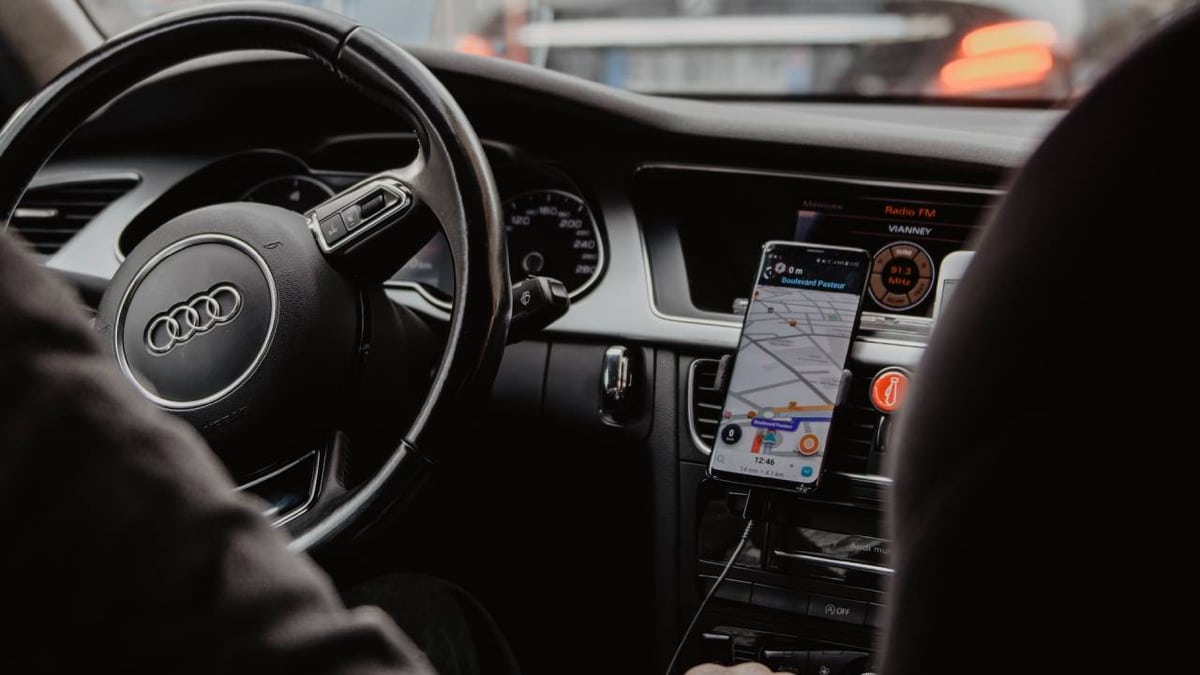
For years, Waze was the undisputed leader in driving navigation apps. With its sleek design, real-time traffic updates, and community-driven features, it became synonymous with hassle-free driving. But recently, this once-reliable app has begun to show signs of wear and tear, with reports of glitches, crashes, and frustratingly unreliable directions. The question is: what went wrong for Waze, and can it recover?
Amazon co-founder MacKenzie Scott has donated over $19 billion to charity in just five years
Diamond batteries powered by nuclear waste promise 28,000 years of clean energy
Waze: The Decline of a GPS Giant
When Waze first launched in 2006, it quickly distinguished itself from competitors like Google Maps by focusing exclusively on drivers. Unlike its rivals, which catered to pedestrians, cyclists, and car users alike, Waze was laser-focused on providing motorists with the most efficient routes. It wasn’t bogged down with unnecessary information like restaurant reviews or tourist attractions—it focused solely on the road ahead.
What made Waze a game-changer was its real-time traffic data, powered by users. Drivers could report accidents, road closures, and speed traps, allowing others to avoid delays and fines. It also dynamically recalculated routes, helping users always stay on the fastest path. Need to find a gas station? Waze displayed nearby options, complete with up-to-date fuel prices—making it a favorite for daily commuters and road trip enthusiasts alike.
At its peak, Waze boasted a global user base of over 140 million, including 13 million users in France alone. However, now, these same users are filling up review sections with complaints. Although it still maintains a respectable 4.4 rating on Google Play, the wave of negative feedback is hard to ignore.
The Bugs Users Can’t Ignore
So what exactly is going wrong? According to recent user reviews, the list of bugs is growing longer:
-
Frequent crashes and unexpected sound issues.
-
Faulty directions, sometimes leading users into traffic jams or even impassable roads.
-
Random route changes, often leaving drivers lost or scrambling to get back on track.
-
A once-lauded calendar sync feature now broken, leaving users without crucial reminders or guidance.
One user, in particular, shared their frustration: Waze directed them to an incorrect destination they had been using without issue for years. “It’s like the app doesn’t even know my habits anymore,” they lamented. For an app that built its reputation on reliability, this is a major blow.
I can’t help but relate to this frustration. I remember relying on Waze for years, especially during long drives when traffic could be unpredictable. It always guided me reliably, but now? Not so much. It’s as if the app lost its spark, leaving me to wonder what happened to that perfect driving companion.
NASA warns China could slow Earth’s rotation with one simple move
This dog endured 27 hours of labor and gave birth to a record-breaking number of puppies
What’s Behind Waze’s Struggles?
A major part of the problem may lie within its parent company. In 2013, Google acquired Waze, even though it already had its own navigation app, Google Maps. Initially, the two apps coexisted without issue, each offering unique features that appealed to different kinds of users. But as financial pressure mounted, Google began consolidating resources, which likely impacted Waze’s development.
In December 2022, Google moved 500 Waze developers to its Maps division, signaling a shift in priorities. Not long after, Waze CEO Neha Parikh stepped down, leaving the company without clear leadership. While Google has assured users that Waze will continue, it has begun integrating many of Waze’s best features into Google Maps, blurring the lines between the two platforms.
This decision feels like the classic “bigger company swallow smaller startup” situation that I’ve seen time and time again. It’s like watching a promising band get signed to a major label only for the creativity to get lost in corporate priorities. In Waze’s case, Google Maps might just be slowly overtaking it as the go-to option for navigation.
“I’ve Given Up on Waze”
For many long-time users, Waze’s decline feels almost personal. “I had to switch to Google Maps because Waze just isn’t reliable anymore,” shared one frustrated driver. Another complained, “It’s constantly freezing, losing network, or sending me the wrong way. I can’t trust it anymore.”
Waze’s lack of transparency hasn’t helped matters. While bugs are inevitable in any app, the long delays in fixing them and the minimal communication from the Waze team have made users feel abandoned. If this trend continues, it’s likely that many will migrate to alternatives like Google Maps, despite Waze’s unique features.
I’ve personally felt that shift as well. A few years ago, I used Waze almost exclusively, but lately, I’ve found myself defaulting to Google Maps, simply because it’s more consistent. It’s a tough transition, as I always appreciated Waze’s community-driven aspect, but when reliability falters, convenience wins.
Can Waze Bounce Back?
The road ahead for Waze seems uncertain. Once regarded as a driver’s best friend, the app now risks losing its hard-earned trust. To regain its footing, Waze needs to address its technical issues quickly and rebuild user confidence through better communication and transparency. In an age where customer experience reigns supreme, even small missteps can have large consequences.
As the app struggles to maintain its reputation, one thing is clear: competition in the navigation space is fierce. With Google Maps tightening its grip and other apps emerging, Waze has a lot of work ahead to reclaim its place in the driver’s seat. Whether Waze can steer its way out of this storm remains to be seen, but the clock is ticking.
For many of us who have relied on Waze over the years, it’s hard not to feel a little nostalgic about the app’s golden days. But in the rapidly evolving world of navigation technology, complacency isn’t an option—especially when users are looking for reliability above all else.